
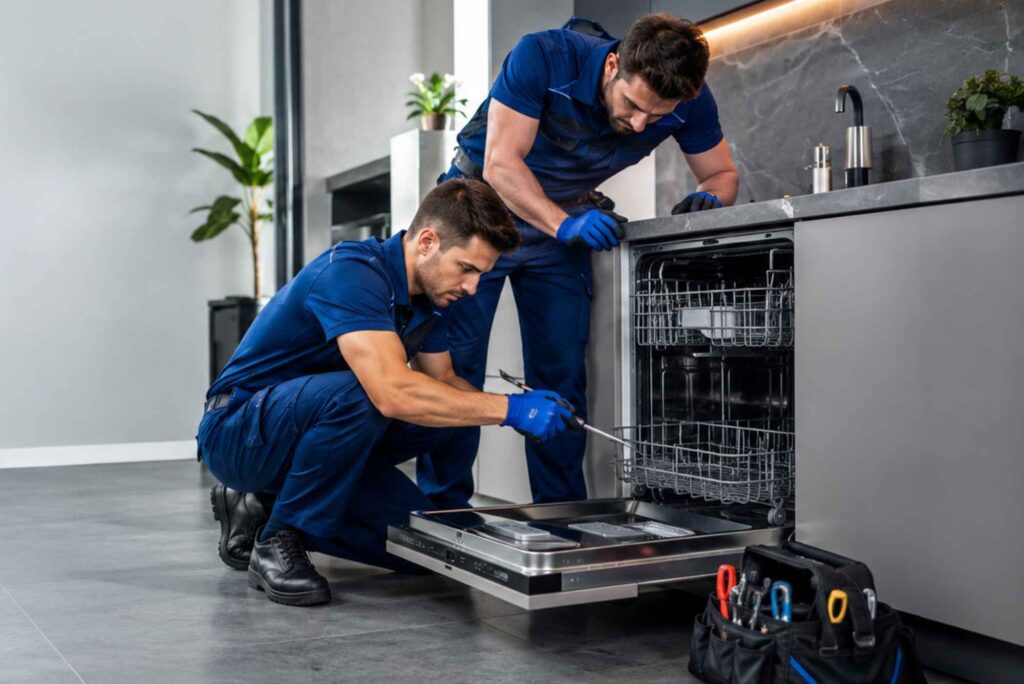
Modern kitchens rely heavily on appliances that save time and simplify daily routines. Among them, the dishwasher has become an essential household companion, helping families maintain cleanliness while reducing manual effort. However, like any frequently used appliance, dishwashers can develop performance issues over time. Whether it’s poor cleaning results, drainage problems, unusual noises, or complete operational failure, having access to reliable dishwasher repair support can make a significant difference.
Understanding common dishwasher problems, knowing when professional intervention is necessary, and following preventive maintenance practices can extend the lifespan of your appliance while helping you avoid costly replacements. This guide explores the most common dishwasher concerns, practical troubleshooting methods, and the value of professional repair services in maintaining an efficient kitchen environment.
Why Dishwasher Performance Matters
A properly functioning dishwasher contributes to kitchen hygiene, water efficiency, and household convenience. When the appliance starts showing signs of malfunction, even minor issues can quickly escalate into larger problems that affect both performance and utility costs.
Many homeowners initially overlook warning signs such as longer wash cycles, cloudy dishes, water leaks, or inconsistent drying. Early identification and repair often prevent more extensive damage to internal components.
Common Dishwasher Problems and Their Causes
Dishwashers consist of multiple interconnected systems, including water supply lines, pumps, filters, heating elements, sensors, and electronic controls. A fault in any of these components can impact overall performance.
1. Dishwasher Not Cleaning Properly
Poor cleaning results are among the most common complaints. Several factors may contribute to this issue:

- Clogged spray arms
- Blocked filters
- Hard water buildup
- Low water pressure
- Faulty detergent dispenser
- Worn circulation pump
Regular cleaning of filters and spray arms can often restore performance. However, persistent issues may require professional inspection and repair.
2. Water Not Draining
Standing water inside the dishwasher after a cycle usually indicates a drainage problem. Common causes include:
- Blocked drain hose
- Clogged filter system
- Faulty drain pump
- Obstructed garbage disposal connection
Professional technicians often perform a detailed dishwasher fault diagnosis to identify the exact source of drainage issues before recommending repairs.
3. Water Leaks Around the Appliance
Water leaks should never be ignored because they can damage flooring, cabinetry, and nearby structures. Common leak sources include damaged door seals, cracked hoses, loose fittings, or internal pump failures.
In some cases, leaks can also affect surrounding plumbing systems, making timely inspection essential to prevent additional repair expenses.
4. Unusual Noises During Operation
Grinding, rattling, buzzing, or knocking sounds may indicate worn bearings, damaged pumps, loose spray arms, or foreign objects trapped inside the machine. While some noises are harmless, others signal mechanical wear that requires professional attention.
5. Dishwasher Won’t Start
Electrical issues can prevent a dishwasher from operating entirely. Potential causes include:
- Faulty door latch
- Blown fuse
- Damaged control board
- Power supply interruptions
- Wiring defects
If electrical faults are suspected, experienced technicians can inspect associated systems and identify whether repairs such as wiring repair services are necessary to restore safe operation.
Signs You Should Schedule Professional Dishwasher Repair
While some minor issues can be addressed through routine maintenance, certain warning signs indicate the need for expert assistance.
- Repeated drainage failures
- Persistent water leaks
- Burning smells
- Frequent error codes
- Electrical malfunctions
- Failure to heat water
- Unexpected shutdowns during cycles
Attempting complex repairs without proper knowledge can lead to further damage or safety risks. Professional technicians possess the tools and expertise needed to diagnose faults accurately and complete repairs efficiently.
Dishwasher Troubleshooting Checklist
Before scheduling a service visit, homeowners can perform a few basic checks to rule out simple causes.
| Problem | Possible Cause | Basic Check |
|---|---|---|
| Dishes remain dirty | Blocked spray arms | Inspect and clean spray holes |
| Water remains inside | Drain blockage | Check filters and drain hose |
| Dishwasher won’t start | Power interruption | Verify outlet and breaker status |
| Water leaks | Damaged seal | Inspect door gasket condition |
| Poor drying performance | Heating element issue | Check rinse aid levels |
| Strange noises | Loose components | Inspect racks and spray arms |
If these basic checks do not resolve the issue, professional assessment is recommended to prevent further deterioration.
The Benefits of Professional Dishwasher Repair Support
Professional repair services offer more than just fixing immediate problems. They provide comprehensive evaluations that help identify hidden faults before they become major failures.
Accurate Diagnostics
Modern dishwashers use sophisticated electronics and sensors. Professional technicians use specialized diagnostic tools to pinpoint failures quickly and accurately.
Safety Assurance
Dishwashers combine water and electricity, creating potential safety hazards if repairs are handled incorrectly. Qualified technicians follow proper safety procedures and industry standards.
Cost Savings
Timely repairs often cost significantly less than replacing an entire appliance. Addressing small issues early can prevent damage to expensive components such as control boards, pumps, and heating systems.
Extended Appliance Lifespan
Regular maintenance and professional servicing can significantly increase the operational life of a dishwasher, maximizing the value of your investment.
How Dishwasher Maintenance Prevents Costly Repairs
Preventive maintenance remains one of the most effective ways to reduce repair frequency. Many common dishwasher issues result from neglecting routine cleaning and inspections.
Clean Filters Regularly
Food particles and debris accumulate inside dishwasher filters over time. Monthly cleaning helps maintain proper drainage and cleaning efficiency.
Inspect Spray Arms
Mineral deposits and food particles can block spray arm openings, reducing water circulation and cleaning effectiveness.
Use Proper Detergents
Selecting detergents recommended by the manufacturer minimizes residue buildup and supports optimal cleaning performance.
Check Door Seals
Regular inspection of door gaskets helps identify wear before leaks develop.
Run Maintenance Cycles
Periodic cleaning cycles using dishwasher-safe cleaning products help remove grease, mineral deposits, and odors.
The Connection Between Dishwashers and Other Household Systems
Dishwashers do not operate in isolation. Their performance often depends on the condition of other household systems, including plumbing, electrical infrastructure, and water heating equipment.
For example, inadequate hot water supply can affect cleaning performance. In such situations, issues may originate from a malfunctioning water heater repair service requirement rather than the dishwasher itself.
Similarly, blocked drains, leaking pipes, or water pressure problems can contribute to dishwasher malfunctions. Understanding these interconnected systems helps technicians provide more comprehensive solutions.
When Repair Is Better Than Replacement
Many homeowners wonder whether they should repair or replace a malfunctioning dishwasher. The answer often depends on factors such as appliance age, repair cost, and overall condition.
Repair is often the preferred option when:
- The appliance is less than ten years old.
- The repair cost is substantially lower than replacement.
- The unit has been well maintained.
- The issue involves replaceable components.
- The appliance remains energy efficient.
A professional evaluation can help determine the most practical and economical course of action.
Choosing Reliable Dishwasher Repair Specialists
Not all repair providers offer the same level of expertise and service quality. Selecting experienced professionals ensures accurate diagnostics and dependable repairs.
When evaluating service providers, consider:
- Industry experience
- Qualified technicians
- Transparent pricing
- Service guarantees
- Availability of replacement parts
- Customer support responsiveness
Homeowners seeking dependable appliance solutions often benefit from working with specialists who provide comprehensive dishwasher repair services as part of a broader appliance maintenance offering.
The Role of Comprehensive Appliance Care
Dishwasher maintenance becomes even more effective when integrated into a wider home appliance care strategy. Since kitchens contain multiple interconnected appliances, regular inspections help identify potential issues before they affect daily operations.
Many service providers support homeowners through complete appliance maintenance programs that address refrigerators, ovens, washing machines, dryers, and dishwashers under one professional framework. Access to experienced teams through trusted providers such as Fast Repair Care can simplify household maintenance and improve long-term appliance reliability.
Conclusion
Reliable dishwasher repair support plays a crucial role in maintaining an efficient, hygienic, and stress-free kitchen. From drainage problems and electrical faults to cleaning performance issues and water leaks, early diagnosis and professional intervention can prevent minor concerns from developing into major repairs.
By understanding common dishwasher problems, following preventive maintenance practices, and seeking qualified assistance when necessary, homeowners can extend appliance lifespan, reduce operating costs, and enjoy consistent performance for years to come. Investing in proper repair support is not simply about fixing a machine—it’s about protecting the convenience and functionality of one of the most important appliances in the modern home.
Related Reading: Energy Efficient Air Conditioning Repair Specialists
Related Reading: Electric Stove Repair
