
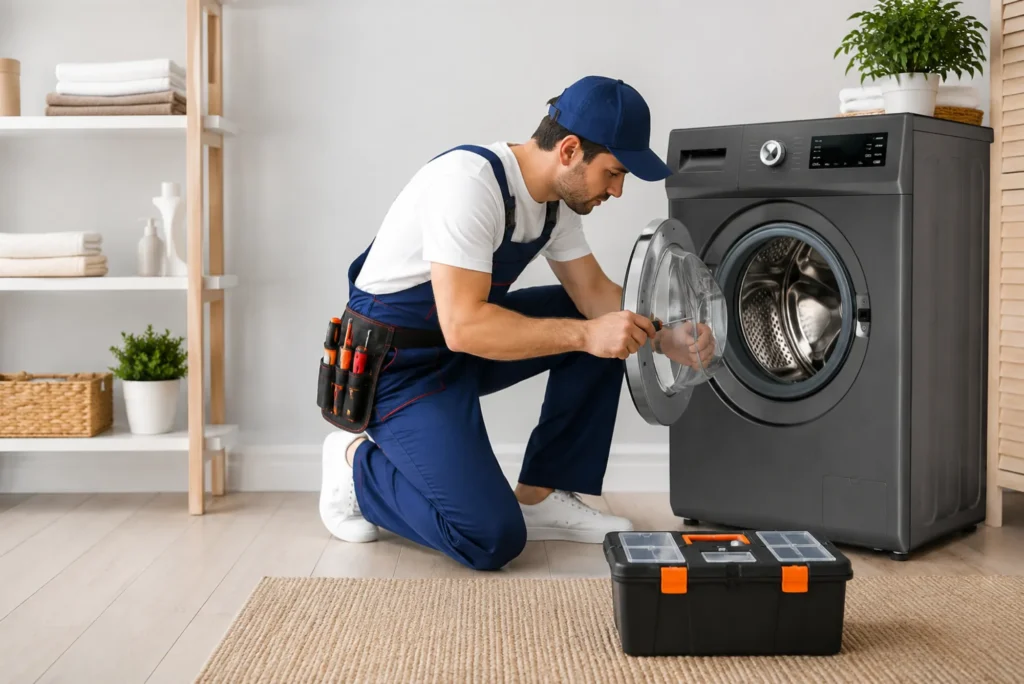
A front load washing machine repair expert plays a crucial role in keeping modern laundry appliances running efficiently. Front load washers are known for their energy efficiency, water-saving technology, and excellent cleaning performance. However, like any household appliance, they can develop faults over time due to wear, improper usage, electrical issues, or drainage problems.
Whether a machine is making unusual noises, refusing to spin, leaking water, or displaying error codes, proper diagnosis and repair can often restore performance without the need for replacement. Understanding how professionals identify and resolve common issues helps homeowners make informed decisions and extend the lifespan of their appliances.
For homeowners seeking a quick answer, a front load washing machine repair expert specializes in diagnosing electrical, mechanical, drainage, and control system faults, replacing damaged components, and ensuring the appliance operates safely and efficiently.
Why Front Load Washing Machines Require Specialized Repairs
Front load washing machines contain sophisticated components that differ significantly from traditional top-load units. Advanced sensors, inverter motors, electronic control boards, water-level monitoring systems, and sealed door mechanisms all work together to deliver high-performance washing cycles.
When one of these systems malfunctions, the symptoms may appear simple while the underlying cause is much more complex. For example, a machine that fails to drain could be suffering from a blocked filter, a damaged drain pump, a faulty pressure switch, or a control board issue.
This is why many homeowners rely on professional washing machine repair specialists rather than attempting trial-and-error fixes.

Most Common Front Load Washing Machine Problems
Experienced technicians frequently encounter recurring issues across different brands and models. Recognizing these warning signs early can prevent more extensive damage.
| Problem | Possible Cause | Typical Repair Solution |
|---|---|---|
| Machine not starting | Power supply issue, faulty door lock, control board fault | Electrical testing and component replacement |
| Water leakage | Damaged door seal, loose hose, cracked pump housing | Seal or hose replacement |
| Excessive vibration | Unbalanced load, worn shock absorbers | Rebalancing or suspension repair |
| Failure to drain | Blocked filter, damaged drain pump | Cleaning or pump replacement |
| No spinning | Motor fault, belt issue, electronic malfunction | Motor diagnostics and repair |
| Bad odor inside drum | Mold buildup and detergent residue | Deep cleaning and maintenance |
| Error codes | Sensor or electronic control issues | System diagnostics and calibration |
The Professional Diagnostic Process
A qualified repair expert follows a systematic approach rather than immediately replacing parts. Proper diagnostics save time, reduce unnecessary expenses, and improve repair accuracy.
- Inspect visible components and connections.
- Review displayed error codes.
- Test power supply and electrical circuits.
- Examine water inlet and drainage systems.
- Check motor, belt, bearings, and suspension.
- Evaluate sensors and electronic control boards.
- Perform operational testing after repairs.
Modern technicians often use specialized testing equipment to verify voltage levels, motor performance, continuity, and sensor functionality before recommending any repairs.
Signs You Need a Front Load Washing Machine Repair Expert
Many washing machine problems begin with subtle symptoms. Addressing these signs early can prevent larger mechanical failures.
- Unusual grinding, knocking, or squealing sounds
- Water remaining in the drum after a cycle
- Repeated error messages
- Longer-than-normal wash cycles
- Door lock failures
- Burning smells during operation
- Sudden power interruptions while washing
- Visible water leaks around the machine
Ignoring these warning signs can lead to component damage, increased repair costs, and complete appliance failure.
Understanding Drainage System Failures
Drainage issues are among the most frequent reasons homeowners call a repair technician. Small objects such as coins, buttons, fabric fibers, and detergent residue often accumulate in filters and pump assemblies.
A professional inspection typically includes checking drainage pathways, hoses, and pump functionality. In some cases, drainage problems may be connected to wider household plumbing concerns. When this occurs, services such as blocked drain repair may also be necessary to restore proper water flow throughout the property.
Electrical Problems and Safety Concerns
Front load washers depend heavily on electronic systems. Control boards, wiring assemblies, sensors, and safety switches coordinate every stage of the wash cycle.
Common electrical issues include:
- Power fluctuations
- Loose wiring connections
- Faulty door interlock systems
- Control board failures
- Motor communication errors
Electrical troubleshooting should always be handled by qualified professionals due to safety risks. Home electrical faults may sometimes contribute to appliance malfunctions. In these situations, services related to short circuit repair can help identify underlying electrical hazards.
Front Load Washer Maintenance Best Practices
Routine maintenance is one of the most effective ways to reduce repair frequency and improve appliance longevity.
| Maintenance Task | Recommended Frequency | Purpose |
|---|---|---|
| Clean detergent drawer | Monthly | Prevent residue buildup |
| Inspect door seal | Monthly | Prevent leaks and mold |
| Clean drain filter | Every 1-2 months | Maintain proper drainage |
| Run drum cleaning cycle | Monthly | Reduce odor and bacteria |
| Inspect water hoses | Every 6 months | Prevent leaks and bursts |
| Professional inspection | Annually | Identify hidden issues early |
Regular servicing often costs significantly less than major repairs or appliance replacement.
Repair or Replace: Making the Right Decision
One of the most common questions homeowners ask is whether repair remains a practical option.
Several factors influence this decision:
- Age of the appliance
- Availability of replacement parts
- Frequency of previous repairs
- Overall condition of major components
- Expected lifespan after repair
A professional technician can evaluate the machine and provide realistic recommendations based on its condition. In many cases, replacing a single component can restore years of reliable performance.
The Value of Professional Washing Machine Servicing
Preventive maintenance offers advantages beyond simple repairs. Regular servicing improves washing efficiency, reduces utility consumption, and minimizes unexpected breakdowns.
Homeowners looking for detailed maintenance recommendations can benefit from resources such as the washing machine servicing guide, which explains how professional inspections help identify issues before they become costly failures.
Additional technical information about appliance maintenance standards and consumer care practices can be referenced here: [Insert relevant reference link here]
What to Expect During an At-Home Repair Visit
Modern repair services are designed to minimize inconvenience. Most technicians arrive with diagnostic equipment and commonly required replacement parts.
A typical service visit may include:
- Initial fault assessment.
- Discussion of symptoms reported by the homeowner.
- Comprehensive diagnostic testing.
- Identification of defective components.
- Repair approval and repair execution.
- Operational testing and safety checks.
- Maintenance recommendations.
Many front load washer issues can be resolved during a single visit when replacement parts are readily available.
Common Mistakes That Lead to Washing Machine Damage
Many breakdowns are avoidable. User habits often contribute to premature wear and unnecessary repairs.
- Overloading the drum
- Using excessive detergent
- Ignoring minor leaks
- Skipping filter cleaning
- Using incompatible cleaning products
- Operating with unbalanced loads
- Ignoring unusual noises
Changing these habits can significantly reduce mechanical stress and extend the life of critical components.
Why Expertise Matters in Front Load Washer Repairs
Front load washing machines are highly engineered appliances that require accurate diagnosis and skilled repair techniques. Misdiagnosis often leads to unnecessary part replacement, repeat service calls, and additional costs.
Experienced technicians understand manufacturer-specific systems, software diagnostics, mechanical assemblies, and safety protocols. Their expertise helps ensure repairs are completed correctly while maintaining appliance reliability.
Many households also rely on broader appliance repair services when multiple kitchen or laundry appliances require maintenance, creating a more convenient and coordinated approach to home care.
Frequently Asked Questions
How long does a front load washing machine typically last?
A well-maintained front load washing machine can often operate efficiently for 10 to 15 years, depending on usage patterns, maintenance practices, and build quality.
Can I repair a leaking front load washer myself?
Simple issues such as a loose hose connection may be manageable, but persistent leaks should be inspected by a qualified technician to avoid water damage and electrical risks.
Why does my front load washer smell bad?
Moisture trapped inside the drum, detergent drawer, and door seal can encourage mold and bacteria growth. Regular cleaning and proper ventilation usually help prevent odors.
How often should a washing machine be serviced?
An annual professional inspection is generally recommended, especially for heavily used machines. Regular maintenance can identify developing issues before they become major failures.
What is the most common front load washer repair?
Drainage-related repairs, including clogged filters and faulty drain pumps, are among the most frequently reported service issues.
Conclusion
A front load washing machine repair expert provides far more than basic troubleshooting. Through systematic diagnostics, professional maintenance, and accurate repairs, these specialists help homeowners protect their investment and maximize appliance performance. Whether dealing with drainage issues, electrical faults, unusual noises, or performance problems, timely professional attention can prevent costly breakdowns and extend the life of the machine. Combining regular maintenance with expert repair support remains the most effective strategy for keeping a front load washer operating efficiently for years to come.
Related Reading: Home Appliance Repair Washing Machine Expert
