
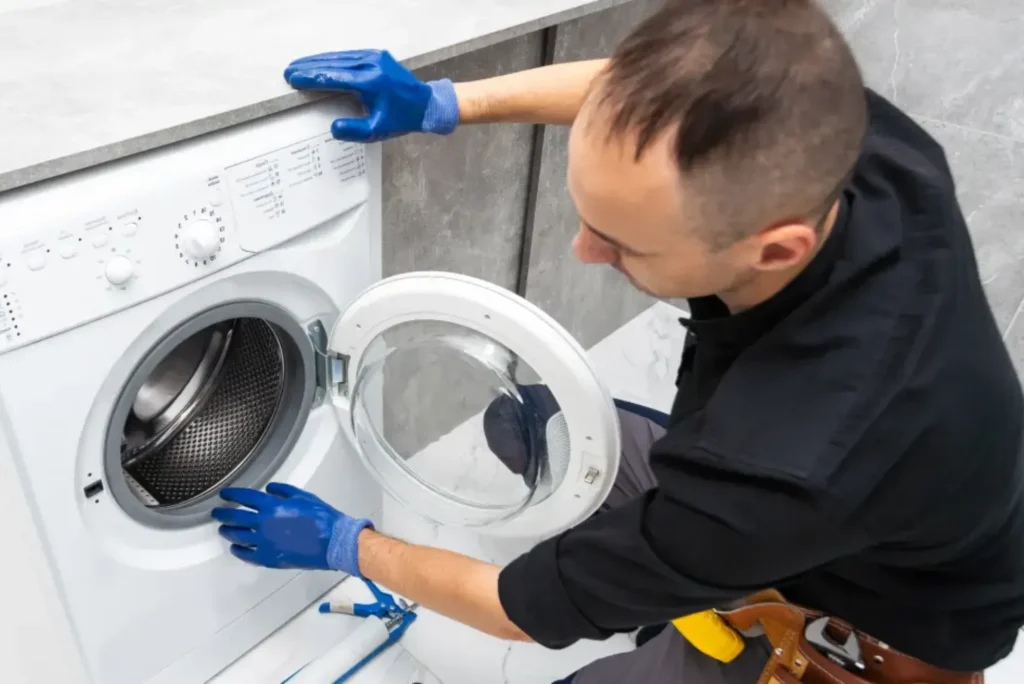
Washing machine repair at home has become an essential skill for many households, especially as appliances are used daily and minor issues can arise unexpectedly. A washing machine is one of the most important appliances in any home, and when it stops working properly, it can disrupt your entire routine. Understanding how to handle basic repair tasks not only saves money but also extends the life of your appliance. With a little knowledge and the right approach, many common problems can be resolved without calling a technician.
Modern washing machines are designed with advanced technology, but they still rely on basic mechanical and electrical systems. When something goes wrong, the issue is often related to simple components such as the water inlet, drainage system, drum movement, or power supply. By identifying the problem early and taking appropriate action, you can prevent further damage and keep your washing machine functioning efficiently.
Common Problems in Washing Machines
One of the most frequent issues people face is when the washing machine does not start. This can be caused by power supply problems, a faulty switch, or a damaged power cord. Before assuming a major fault, it is important to check whether the machine is properly plugged in and if the electrical outlet is working. Sometimes, a simple reset can solve the issue.
Another common problem is water leakage. Leakage can occur due to loose connections, damaged hoses, or worn-out seals. Over time, pipes can develop cracks or become blocked, leading to water spilling onto the floor. Regular inspection of hoses and tightening of connections can prevent such issues.
Drum-related problems are also quite common. If the drum is not spinning properly, it could be due to a worn belt, motor issue, or an overloaded machine. Overloading puts extra pressure on the motor and can reduce the machine’s efficiency. Ensuring that the load is balanced and within the recommended capacity can help avoid such problems.
Importance of Regular Maintenance
Regular maintenance plays a crucial role in avoiding major repairs. Cleaning the washing machine drum, filter, and detergent drawer helps maintain hygiene and ensures smooth operation. Dirt, lint, and detergent residue can accumulate over time, affecting performance and causing unpleasant odors.

It is also important to check the drainage system regularly. A clogged drain can prevent water from exiting the machine, leading to standing water and potential leakage. Cleaning the drain pipe and filter ensures that water flows smoothly during each cycle.
In addition, maintaining the right balance of detergent is essential. Using too much detergent can create excess foam, which may interfere with the machine’s operation and lead to residue buildup. Using the correct amount helps keep the machine clean and efficient.
Washing Machine Repair at Home for Drainage Issues
Drainage problems are one of the most common reasons people seek Washing Machine Repair at Home. When water does not drain properly, it can leave clothes soaking wet and create an unpleasant experience. This issue is often caused by a blocked drain hose or a faulty pump.
To fix this problem, start by checking the drain hose for any clogs or bends. Straightening the hose and removing any blockage can restore proper water flow. If the issue persists, the drain pump may need cleaning or replacement. While cleaning can be done at home, replacing parts may require basic technical knowledge.
Ensuring that the machine is placed on a flat surface also helps with proper drainage. An uneven surface can affect water flow and lead to incomplete draining.
Dealing with Noise and Vibration
Unusual noise and excessive vibration are signs that something is not right with your washing machine. These issues can be caused by an unbalanced load, worn-out bearings, or loose components. Ignoring these signs can lead to further damage over time.
To reduce noise, ensure that the washing machine is placed on a stable and level surface. Adjusting the feet of the machine can help achieve proper balance. Additionally, distributing clothes evenly inside the drum prevents unnecessary strain on the motor.
If the noise continues, it may indicate internal wear and tear. In such cases, inspecting the drum and internal components becomes necessary. Early detection of such problems can prevent costly repairs in the future.
Electrical Issues and Safety Measures
Electrical faults are another area where washing machine repair at home can be attempted with caution. Problems such as the machine not turning on, sudden shutdowns, or error displays are often linked to electrical components.
Before attempting any repair, always unplug the machine to ensure safety. Checking the power cord, fuse, and circuit breaker can help identify the issue. Sometimes, loose wiring or a faulty socket may be the cause.
If the problem involves internal electrical components, it is advisable to proceed carefully or seek professional assistance. Handling electrical parts without proper knowledge can be risky. Safety should always be the top priority when dealing with such issues.
Improving Performance with Proper Usage
Proper usage habits can significantly reduce the need for repairs. Avoid overloading the machine, as it puts unnecessary stress on the motor and drum. Using the correct wash cycle for different types of clothes also helps maintain performance.
Allowing the washing machine to rest between cycles prevents overheating and extends its lifespan. Continuous usage without breaks can cause internal components to wear out faster.
Keeping the machine door open after use helps prevent moisture buildup and reduces the chances of mold formation. This simple step keeps the interior fresh and hygienic.
Washing Machine Repair at Home for Long-Term Efficiency
Adopting a proactive approach to Washing Machine Repair at home ensures long-term efficiency and reliability. Instead of waiting for a major breakdown, addressing minor issues early can save both time and money. Regular inspection, cleaning, and careful usage are key factors in maintaining a well-functioning appliance.
Over time, small components such as belts, seals, and hoses may wear out. Replacing these parts when needed prevents larger problems and keeps the machine running smoothly. Understanding the basic structure of your washing machine can make it easier to identify and fix issues.
Investing time in learning simple repair techniques empowers homeowners to handle everyday problems confidently. It also reduces dependency on external services for minor repairs.
When to Seek Professional Help
While many issues can be resolved through washing machine repair at home, some problems require professional expertise. Complex mechanical failures, major electrical faults, or repeated issues should not be ignored. Attempting to fix such problems without proper knowledge can lead to further damage.
Professional technicians have the tools and experience to diagnose and repair complicated issues effectively. Seeking help at the right time ensures that your washing machine is restored safely and efficiently.
Washing machine repair at home is a practical and cost-effective approach to maintaining one of the most essential household appliances. By understanding common problems, performing regular maintenance, and following proper usage practices, you can keep your washing machine in excellent condition.
Related Reading: Washing Machine Drum Repair Specialist
Related Reading: Washing Machine Servicing Experts Dubai Guide 2026
Related Reading: How To Repair a Washing Machine
