
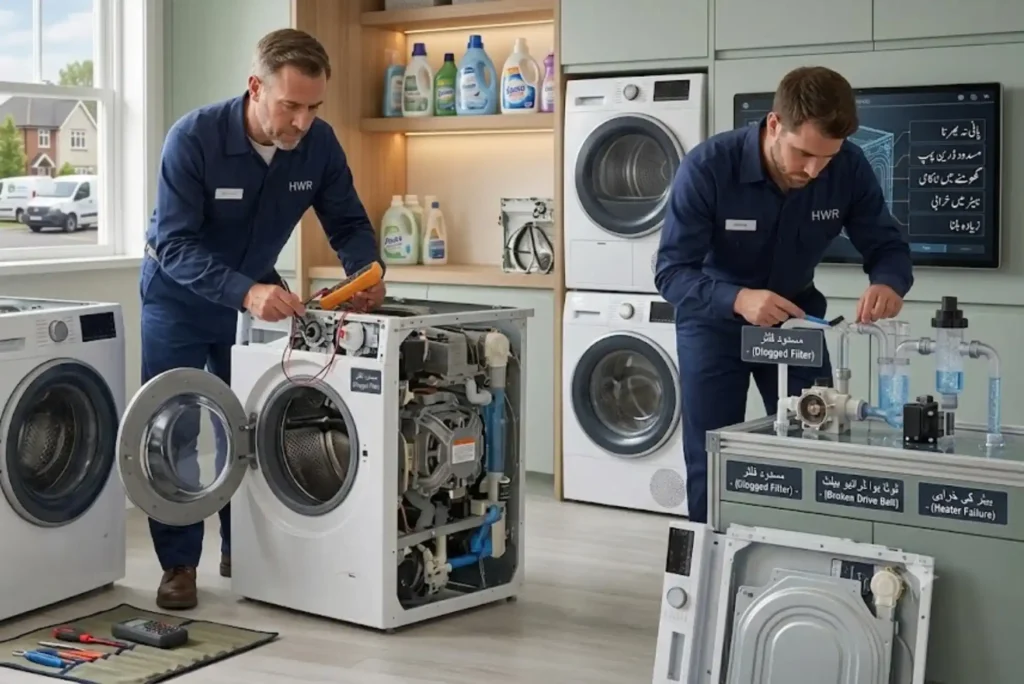
How to Repair a Washing Machine: A Practical Guide for Common Problems
A washing machine is one of the hardest-working appliances in any home, making daily laundry routines faster and more convenient. However, like any frequently used appliance, it can develop faults over time. Learning how to repair a washing machine can help you identify minor issues before they become expensive repairs. While some problems require professional attention, many common faults can be diagnosed and resolved with basic troubleshooting.
Before starting any repair, always unplug the machine and turn off the water supply. Safety should be your first priority whenever working with electrical appliances.
Understand the Most Common Washing Machine Problems
Different symptoms often point to different causes. Identifying the problem correctly saves both time and unnecessary repairs.
- The washing machine will not start.
- The drum does not spin properly.
- The machine is leaking water.
- Water remains inside after the cycle.
- Unusual noises occur during operation.
- The machine vibrates excessively.
If your washer fails to drain water completely, checking the drain hose and filter is usually the first step. You can also learn more about this issue by reading washing machine not draining repair, which explains common drainage problems in greater detail.
Inspect the Power Supply First
One of the simplest yet most overlooked causes is a power issue. Ensure the wall socket is functioning correctly and inspect the power cord for visible damage. Sometimes a tripped circuit breaker or loose plug can prevent the appliance from turning on.
If power is reaching the machine but it still refuses to start, the problem may involve the door lock mechanism or internal electrical components that require professional diagnosis.

Check the Drainage System
Drainage problems are among the most common washing machine faults. Coins, lint, fabric fibers, and other small objects often clog the drain filter or hose.
- Disconnect the appliance from electricity.
- Locate the drain filter.
- Remove any trapped debris.
- Inspect the drain hose for blockages or kinks.
- Run a short rinse cycle to test drainage.
If drainage issues continue even after cleaning, the drain pump itself may be faulty and require replacement.
Examine the Drum Carefully
If the drum struggles to rotate or produces loud grinding noises, worn bearings, damaged belts, or overloaded laundry may be responsible. Reducing the load size can sometimes solve the problem immediately, but persistent noises often indicate mechanical wear.
For drum-related problems, professional guidance can be found in washing machine drum repair, which covers common drum failures and repair considerations.
Know When Professional Help Is the Better Option
Many minor issues can be handled safely at home, but complex electrical faults, damaged control boards, leaking internal hoses, or motor failures usually require experienced technicians. Attempting advanced repairs without proper knowledge can increase repair costs and create additional safety risks.
When troubleshooting no longer solves the issue, consulting experienced specialists through washing machine repair services can help restore the appliance efficiently while preventing further damage.
Preventive Maintenance Reduces Future Repairs
Regular maintenance is one of the easiest ways to avoid unexpected breakdowns. A few simple habits can extend the lifespan of your washing machine and improve its overall performance.
| Maintenance Task | Recommended Frequency | Benefit |
|---|---|---|
| Clean the drain filter | Monthly | Prevents drainage issues |
| Inspect hoses | Every 6 months | Reduces leak risks |
| Clean detergent drawer | Monthly | Prevents detergent buildup |
| Run a drum cleaning cycle | Monthly | Removes odor and residue |
| Check machine leveling | As needed | Reduces vibration and noise |
Front Load Washing Machines Require Special Care
Front load washing machines are known for their efficiency, but they also need regular maintenance. The rubber door seal should be cleaned frequently to prevent mold, while the detergent drawer and filter should remain free of residue for optimal performance.
If your front load washer develops persistent issues such as leaks, excessive vibration, or door lock failures, reviewing front load washing machine repair can provide additional insights into common repair solutions.
Expert Tip: Never ignore unusual sounds or minor leaks. Addressing small problems early often prevents expensive component failures and helps your washing machine last significantly longer.
Frequently Asked Questions
Can I repair a washing machine myself?
Yes, basic issues like clogged filters, blocked drain hoses, or uneven leveling can often be fixed safely at home after disconnecting the appliance from power.
Why is my washing machine not spinning?
A faulty drive belt, overloaded drum, worn motor components, or an unbalanced load are among the most common causes.
How often should I clean my washing machine?
Cleaning the filter, detergent drawer, and drum at least once a month helps maintain performance and prevents unpleasant odors.
When should I call a professional?
If the appliance has electrical faults, major leaks, motor failure, or control board problems, professional repair is usually the safest and most effective solution.
Conclusion
Understanding how to repair a washing machine allows homeowners to identify common problems, perform simple maintenance, and know when professional assistance is necessary. Regular inspections, proper cleaning, and prompt attention to small issues can significantly improve the appliance’s reliability and lifespan. While many minor faults are manageable through careful troubleshooting, seeking expert help for complex repairs ensures your washing machine continues operating safely and efficiently for years to come.
Related Reading: How to Extend Washing Machine Life
Related Reading: Washing Machine Repair at Home